Material Guide
The Complete Guide to Sisal Wallcovering
Everything architects, designers and distributors need to know about sisal wallcovering — from fiber science and texture variations to technical specifications, durability and sourcing.
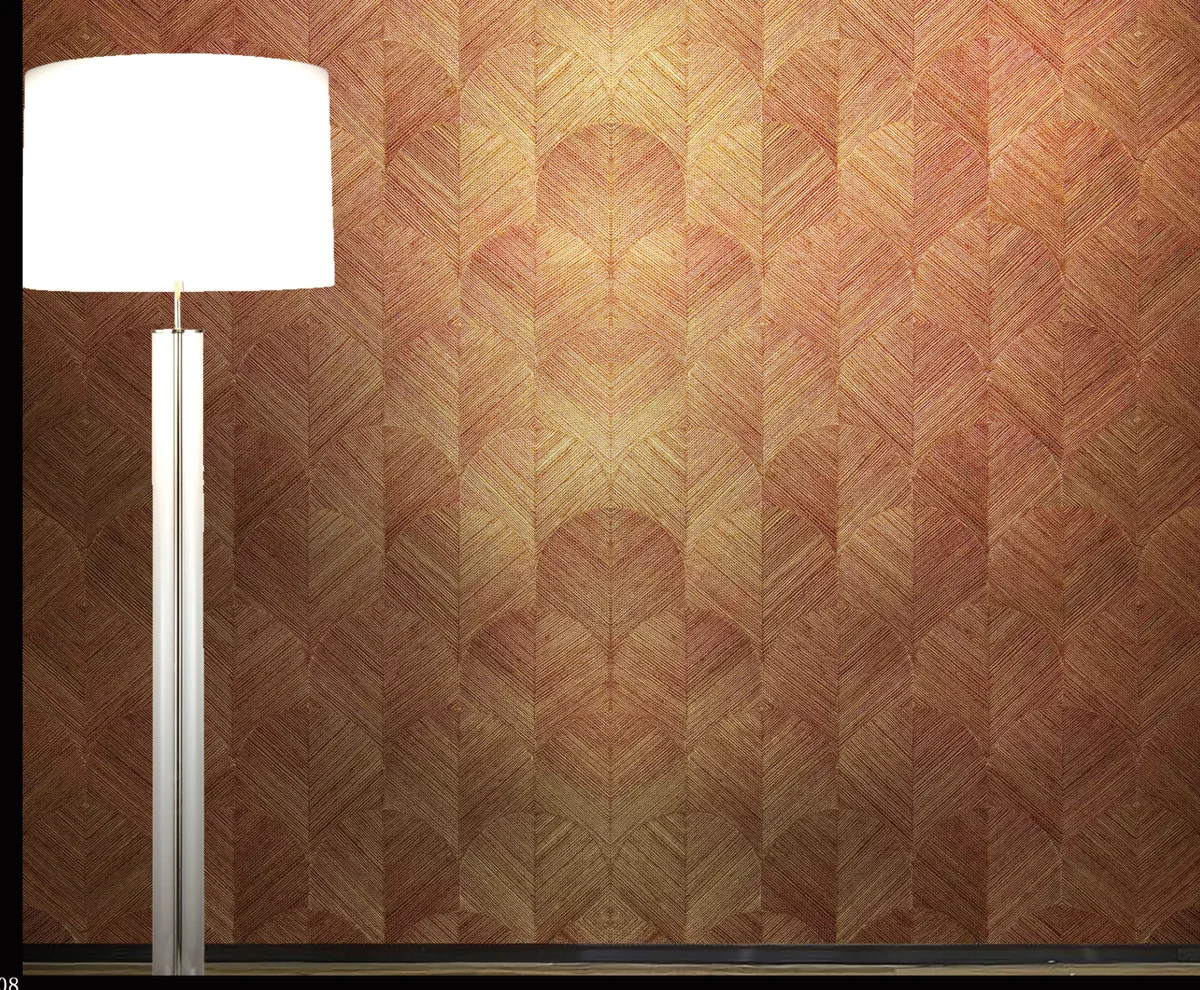
What Is Sisal Wallcovering?
Sisal wallcovering is a natural wallcovering made from the fibers of the Agave sisalana plant — a hardy succulent native to Mexico and now cultivated extensively in East Africa, Brazil and China. The fibers are extracted from the plant's long, sword-shaped leaves, dried, dyed and then woven onto a paper or non-woven backing to create a durable, textured wall surface.
Sisal is prized for its exceptional durability and strength. Among all natural wallcovering fibers, sisal ranks as one of the toughest, making it the preferred choice for high-traffic commercial environments where grasscloth might be too delicate. Its naturally coarse, rope-like texture delivers a bold, tactile aesthetic that adds depth and warmth to any space.
While often confused with grasscloth, sisal is a distinctly different material. Grasscloth uses softer, more flexible fibers (arrowroot, jute, seagrass), whereas sisal fibers are stiffer, more uniform and significantly more abrasion-resistant.
Key Fact: Sisal fiber has one of the highest tensile strengths of any natural fiber. The same material used in premium wallcoverings is also used to manufacture industrial-grade rope, twine and carpet. This inherent toughness translates directly into wall performance — sisal wallcovering resists scratching and surface wear far better than most other natural wall treatments.
Sisal vs. Grasscloth: Key Differences
Designers often ask: "When should I specify sisal instead of grasscloth?" The answer depends on durability requirements, visual texture preferences and the project environment.
| Property | Sisal | Grasscloth |
|---|---|---|
| Fiber Source | Agave sisalana (leaf fiber) | Arrowroot, jute, seagrass, reed |
| Texture | Coarse, rope-like, uniform | Soft, organic, varied |
| Durability | High — abrasion resistant | Moderate — delicate |
| Best Setting | Commercial, hospitality, high-traffic | Residential, low-traffic luxury |
| Color Uniformity | More consistent dye absorption | Greater natural variation |
| Seam Visibility | Moderate — tighter weave hides seams better | More visible — "paneling" is a design feature |
| Price Point | Mid-range | Entry to mid-range |
Types of Sisal Texture Patterns
Sisal wallcoverings come in several weave and texture variations, each suited to different design contexts:
1. Tight Weave (Fine Sisal)
Thin sisal fibers woven closely together, producing a subtle, refined surface. The tighter construction minimizes seam visibility and creates a more uniform appearance. Ideal for corporate offices, hotel corridors and spaces requiring understated elegance.
2. Open Weave (Rustic Sisal)
Wider spaced fibers that allow the backing color to show through, creating a layered visual effect. The backing can be tinted in contrast colors — a cream sisal over a charcoal backing, for example — producing a distinctive two-tone look that adds dimensionality.
3. Herringbone Sisal
Fibers woven in a classic V-shaped zigzag pattern. Herringbone sisal bridges the gap between organic natural texture and geometric precision, making it a popular choice for contemporary hospitality and high-end residential projects.
4. Bouclé / Chunky Sisal
Thick, looped fibers creating a heavily textured, three-dimensional surface. This is the most dramatic sisal variant, best suited for feature walls, hotel lobby accents and large commercial spaces where the wall needs to make a bold statement.
5. Sisal Blend
Sisal fibers blended with other natural materials — jute, paper yarn, or metallic thread — to create hybrid textures. Blends offer the durability of sisal with added visual complexity, and can introduce subtle shimmer or color variation not achievable with pure sisal.
Technical Specifications
The following specifications are typical for commercial-grade natural sisal wallcoverings. Exact values may vary by product line.
| Property | Specification |
|---|---|
| Material | Natural sisal fiber (Agave sisalana) on backing |
| Backing | Non-woven or paper backing |
| Width | 0.91 m (36 in) standard, pre-trimmed |
| Roll Length | 7.3 m (8 yards) standard bolt |
| Coverage | ~6.6 m² (72 sq ft) per bolt |
| Weight | 280–450 g/m² (depending on weave density) |
| Fire Rating | ASTM E84 Class A (when specified with fire-retardant backing) |
| Abrasion Resistance | Superior — exceeds grasscloth, suitable for Type II applications |
| Seaming | Moderate visibility — tighter weave minimizes paneling |
| Color Variation | Moderate — sisal accepts dye more evenly than grasscloth |
| Adhesive | Heavy-duty clear adhesive; paste-the-wall method recommended |
| Maintenance | Dry clean — vacuum with soft brush; spot clean with damp cloth (with caution) |
For Specifiers: When writing specifications for sisal wallcovering under CSI MasterFormat Section 09 72 00 — Wall Coverings, note that sisal's superior abrasion resistance makes it suitable for corridors, elevator lobbies and other high-traffic areas where standard grasscloth would not be appropriate. Specify ASTM E84 Class A compliance for all commercial installations.
Best Applications
Sisal's combination of natural beauty and exceptional durability makes it the go-to natural wallcovering for commercial interiors:
- Hotels & Hospitality: Guest room corridors, elevator lobbies, restaurant feature walls, spa areas. Sisal withstands the daily wear of hotel operations while delivering the warm, natural aesthetic that boutique and luxury properties demand.
- Corporate & Office: Executive suites, boardrooms, reception areas, conference rooms. The structured texture of sisal conveys professionalism and sophistication without the sterility of paint or vinyl.
- Healthcare & Senior Living: Common areas, dining rooms, activity spaces. Sisal's durability handles wheelchair and walker traffic well, and its natural aesthetic creates a warm, non-institutional environment.
- Luxury Residential: Entryways, hallways, media rooms, home offices. For homeowners who love the grasscloth look but need greater resilience in high-traffic zones, sisal is the ideal upgrade.
- Retail & Showrooms: Boutique walls, gallery backdrops, fitting rooms. The textured surface adds depth without competing with displayed merchandise.
Installation Considerations
Sisal installation follows many of the same principles as grasscloth but benefits from the fiber's inherent stiffness and consistency:
- Wall Preparation: Surfaces must be smooth, clean, dry and primed. Use a pigmented primer if the wall color might show through an open-weave sisal.
- Adhesive Application: Apply adhesive to the wall (paste-the-wall method). Avoid applying adhesive to the backing — moisture can stain through to the face of the sisal.
- Acclimation: Allow rolls to acclimate to room temperature and humidity for 24–48 hours before installation.
- Seam Technique: Butt seams tightly. Sisal's uniform fiber structure produces cleaner seams than grasscloth, but a sharp blade is still essential for every cut.
- Reverse Hanging: For some solid-color sisals, alternate the direction of each panel (flip every other strip) to minimize any subtle shading differences between rolls.
- Same Batch: All rolls for a single project must come from the same production batch — the same rule as grasscloth.
Maintenance & Care
Sisal is lower-maintenance than grasscloth thanks to its tougher fiber structure:
- Regular Cleaning: Vacuum with a soft brush attachment or wipe with a dry, lint-free cloth. Sisal handles regular dusting easily.
- Spot Cleaning: Unlike grasscloth, sisal can tolerate a lightly dampened cloth for spot cleaning minor marks. Always blot — never rub — and test in an inconspicuous area first.
- Stain Prevention: Apply a fabric protector spray designed for natural fibers after installation. This creates a barrier against everyday stains.
- Sunlight: Like all natural fibers, sisal will gradually fade with prolonged direct UV exposure. Use window treatments in sun-heavy rooms.
- Humidity: Maintain indoor humidity below 70% RH. While sisal is more moisture-tolerant than grasscloth, it is still not suited for wet environments like bathrooms.
Why Source Sisal from China?
China is one of the world's largest manufacturers of sisal wallcoverings. Many premium international wallcovering brands source their sisal product lines from Chinese workshops that specialize in natural fiber weaving and dyeing.
Working directly with a specialized Chinese supplier like Grasscloths offers clear advantages:
- Cost Efficiency: Eliminate the multiple intermediary markups that inflate retail pricing. Direct sourcing typically saves 40–60% compared to branded equivalents.
- Color Customization: Chinese manufacturers can dye sisal to almost any color specification. Request custom Pantone or NCS color matches for your project.
- Blended Products: Access unique sisal blends (sisal + jute, sisal + metallic thread, sisal + paper yarn) that may not be available from Western brands.
- Multi-Material Orders: Combine sisal with grasscloth, wood veneer, cork, gold foil and mica in a single order, simplifying logistics and reducing shipping costs.
- Proven Export Experience: Grasscloths has completed sisal wallcovering export orders to the United States, Taiwan and other international markets, with full documentation for customs compliance.
Ready to Source Sisal?
Get physical samples, pricing and technical specs for our sisal wallcovering collections. We reply within 24 hours.
Request Samples Email Us